admin
admin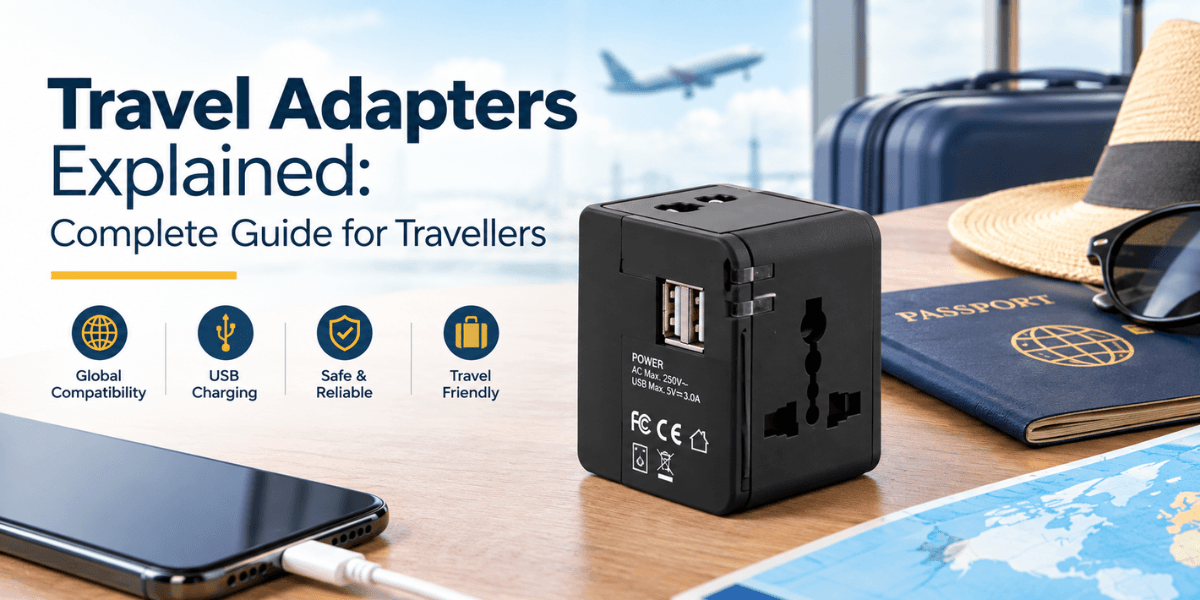
International travel is exciting, but small electrical details can quickly become a problem when you arrive in a new country. A phone charger that works perfectly at home may not fit the hotel wall socket abroad. Even worse, some devices may require different voltage support.
That is where a travel adapter becomes an essential part of your packing list. But what is a travel adapter, how does it work, and how can you choose the right one?
This complete guide explains everything travellers need to know about travel adapters, including plug types, voltage compatibility, safety features, and practical buying tips.
What Is a Travel Adapter?
A travel adapter is a compact electrical accessory that allows your device’s plug to fit into a wall socket with a different design.
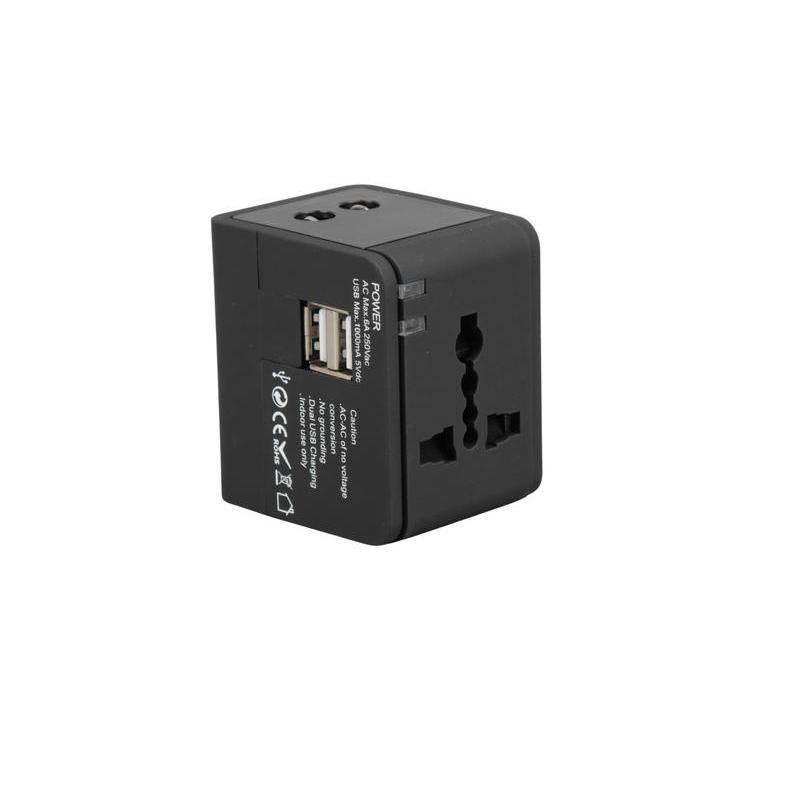
Countries use different electrical plug shapes and socket configurations. For example, the UK commonly uses Type G plugs, while many European countries use Type C, E, or F sockets. The US and Canada generally use Type A and B, while Australia uses Type I.
A travel adapter bridges this physical difference.
It is important to understand that an adapter does not normally change the voltage supplied by the wall socket. It changes the plug configuration so your charger or device can connect to the socket.
This makes a travel adapter different from a voltage converter.
Travel Adapter vs Voltage Converter
A travel adapter changes the physical plug connection, while a voltage converter changes the electrical voltage.
For example, if your phone charger says Input: 100-240V, it is generally designed to operate across common international voltage ranges. You may only need a suitable plug adapter.
However, a single-voltage appliance may require a voltage converter when used in a country with a different electrical supply.
Always check the manufacturer’s specifications before connecting an appliance overseas.
How Do Travel Adapters Work?
So, how do travel adapters work?
The basic principle is simple. A travel adapter provides the appropriate plug interface between your device and the local wall socket.
Imagine that your charger has a plug designed for one country’s socket, but your hotel uses a completely different socket shape. The adapter provides a compatible connection on the wall side while accepting your original plug on the other side.
Universal travel adapters take this idea further by supporting multiple plug configurations in one device. Depending on the model, they may include interchangeable pins, sliding mechanisms, or multiple socket openings.
Many modern models also include USB-A and USB-C charging ports, allowing travellers to charge phones, tablets, cameras, earbuds, and other electronics without carrying multiple wall chargers.
Do I Need a Travel Adapter?
One of the most common questions travellers ask is, do I need a travel adapter?
The answer depends mainly on your departure country, destination, and the type of plug used by your devices.
You may need one if:
- Your destination uses a different plug type.
- Your hotel or accommodation has sockets that do not accept your charger.
- You are visiting multiple countries with different socket designs.
- You want to charge several devices using one compact accessory.
- You want USB-C or USB-A charging built into your travel setup.
If your destination uses the same plug configuration as your home country, an adapter may not be necessary. However, checking before your trip is always worthwhile.
Common Plug Types Around the World
Understanding common plug types can make international travel much easier.
Type A and Type B
These are widely used in the United States, Canada, and several other countries. Type A has two flat pins, while Type B includes an additional grounding pin.
Type C, E and F
These plug configurations are common across many parts of Europe and are frequently encountered by international travellers.
Type G
The UK, Ireland, Malta, and several other countries use Type G plugs. These have three rectangular pins and are noticeably different from most European sockets.
Type I
Australia, New Zealand, and some other countries use Type I plugs, which feature angled pins.
Because plug standards vary, checking your destination before departure can prevent unpleasant surprises.
How to Choose a Travel Adapter
Knowing how to choose a travel adapter is easier when you focus on a few practical features rather than simply buying the cheapest option.
1. Check Destination Compatibility
Start by identifying the plug type used at your destination.
If you regularly travel internationally, a universal adapter that supports several major plug standards can be more convenient than buying a separate adapter for every country.
2. Check Voltage Compatibility
Look at the input information printed on your charger or device.
If it supports a broad range such as 100-240V, it is generally suitable for use with different international voltage systems when paired with the correct plug adapter.
Do not assume every appliance has this capability. High-power products such as hair dryers, styling tools, and some kitchen appliances may have different requirements.
3. Consider USB-C and USB-A Ports
A modern travel adapter can double as a charging hub. Built-in USB-C and USB-A ports can reduce the number of chargers and plugs you need to pack.
For travellers carrying a smartphone, smartwatch, tablet, laptop, camera, or wireless earbuds, this can make a noticeable difference.
4. Look for Safety Features
Safety should be a priority when choosing electrical accessories.
Look for reputable products with appropriate safety protections, quality construction, and clear electrical specifications. Features such as overload, short-circuit, and surge protection can provide additional safeguards, depending on the product.
5. Check the Power Rating
A travel adapter’s power rating matters, particularly when you plan to connect higher-wattage appliances.
Do not assume that because a plug physically fits, the adapter is suitable for every device. Always compare the adapter’s specifications with the requirements of the appliance.
What Is the Best Travel Adapter for International Travel?
There is no single model that is perfect for every traveller, but the best travel adapter for international travel should match your destinations and devices.
For frequent international travellers, a universal model with broad plug compatibility can be a practical choice. If you carry several electronics, consider one with multiple USB ports, including USB-C.
Business travellers may prioritise compact construction and laptop charging. Families may prefer multiple charging ports, while occasional travellers may only need a simple destination-specific adapter.
The key is to choose based on compatibility, safety, power requirements, and convenience, rather than appearance or price alone.
Travel Adapter Mistakes to Avoid
Even a good adapter can be used incorrectly. Avoid these common mistakes:
- Assuming an adapter automatically converts voltage.
- Failing to check your device’s voltage requirements.
- Buying an uncertified or poorly made product.
- Ignoring the adapter’s maximum power rating.
- Forgetting to check the plug type before travelling.
- Packing several bulky chargers when one multi-port adapter could work.
- Leaving your adapter in checked luggage when you need it immediately after landing.
A few minutes of preparation can save you from searching for an electrical accessory after a long flight.
Travel Adapters for Business and Corporate Gifting
Travel adapters are also practical gifts for employees, clients, executives, and frequent travellers. They combine everyday usefulness with a strong connection to business travel.
Companies looking to build useful travel-focused gift kits can work with a technology gifts supplier to source practical electronics and accessories for employees or customers.
For organisations in the Gulf region, partnering with a corporate gifts supplier in Saudi Arabia can also make it easier to create branded travel kits tailored to business travellers and corporate events.
Quick Pre-Travel Checklist
Before leaving for an international trip, check:
- Destination plug type
- Device voltage requirements
- Adapter compatibility
- Maximum wattage
- USB-A and USB-C requirements
- Safety features
- Number of devices you need to charge
- Whether your adapter is packed and accessible
Conclusion
A travel adapter may be small, but it can make a major difference to your international travel experience. Understanding what is a travel adapter, how it works, and when you need one helps you avoid charging problems and make smarter purchasing decisions.
Remember that a plug adapter and voltage converter serve different purposes. Check your destination’s socket type, inspect your device specifications, consider USB charging options, and choose a reliable product with suitable safety features.
Whether you travel occasionally or visit different countries throughout the year, the right adapter can keep your essential electronics connected wherever your journey takes you.