admin
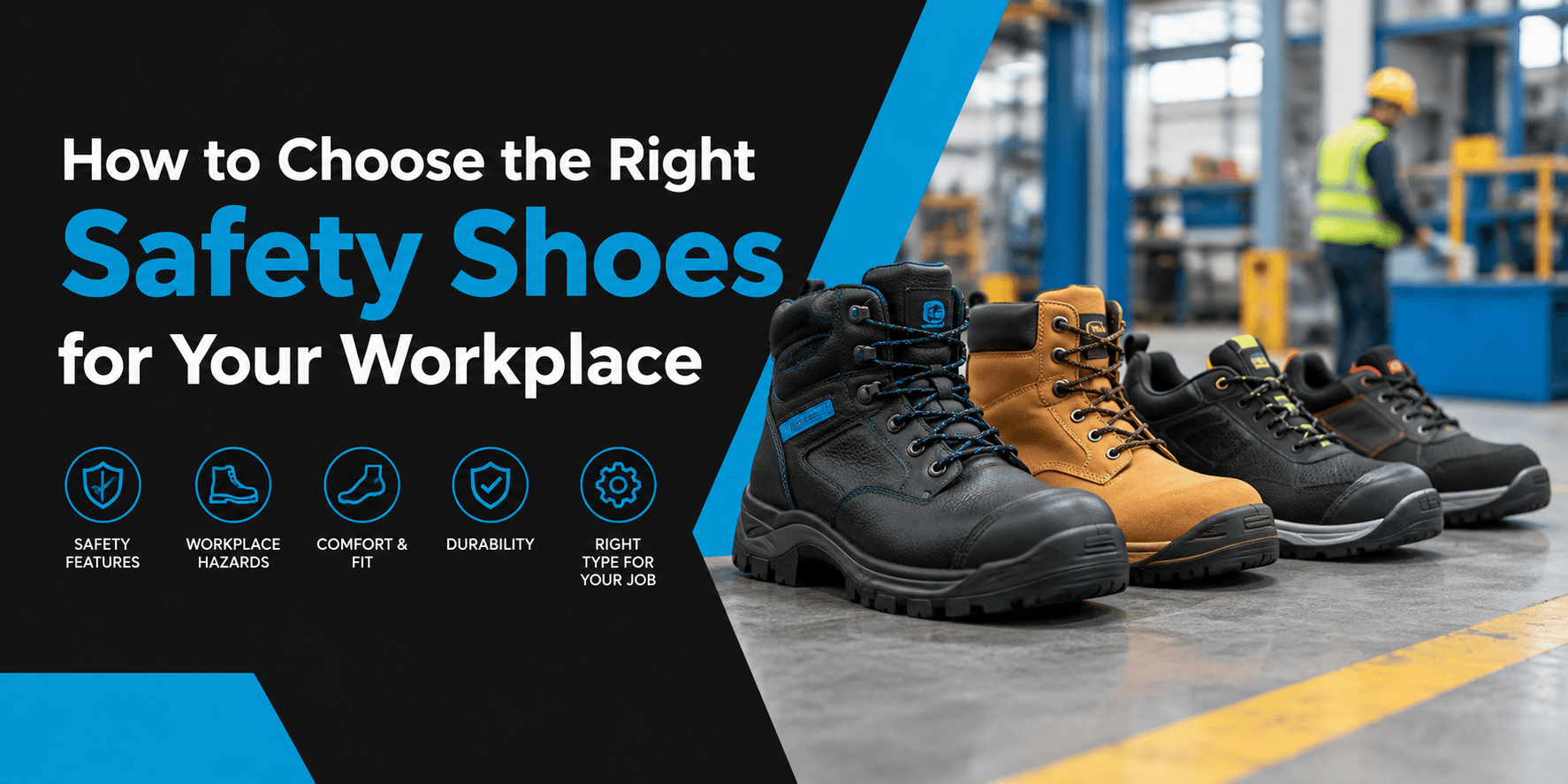
Introduction
Workplace safety starts from the ground up. Whether employees work in construction, manufacturing, warehouses, road maintenance, chemical handling, or industrial facilities, their feet face potential hazards every day. Wearing the wrong footwear can increase the risk of injuries, discomfort, fatigue, and lost productivity.
Knowing how to choose safety shoes is essential for creating a safer working environment. However, not every workplace requires the same type of footwear. Construction workers may need protective toe caps and puncture-resistant soles, while warehouse employees may benefit from slip-resistant shoes and lightweight designs.
Understanding how to choose the right safety shoes begins with identifying workplace hazards, checking safety certifications, and selecting footwear that provides both protection and comfort.
This guide explains the main types of safety shoes, the features to consider, and practical steps for making the right choice for your workplace.
Why Are Safety Shoes Important in the Workplace?
Safety shoes are an essential part of personal protective equipment (PPE). They are designed to reduce the risk of foot injuries caused by workplace hazards.
Common risks include:
- Falling objects: Heavy tools, equipment, and materials can injure toes.
- Slippery floors: Oil, water, and other liquids can cause slips and falls.
- Sharp objects: Nails, metal fragments, and broken materials can penetrate ordinary soles.
- Electrical hazards: Certain specialized footwear can help manage specific electrical risks when appropriately selected.
- Chemical exposure: Some materials offer resistance to particular chemicals and industrial substances.
- Long working hours: Properly fitted footwear can improve comfort and help reduce foot fatigue.
Choosing appropriate footwear can support workplace safety, improve employee confidence, and help businesses meet applicable occupational safety requirements.
The right choice depends on the hazards workers may encounter, not simply on the shoe’s appearance or price.
Types of Safety Shoes for Different Workplaces
Understanding the types of safety shoes available helps employers match footwear to specific job requirements. Different designs provide different levels of protection, so it is important to review product specifications before purchasing.
| Type of safety footwear | Main protective feature | Suitable workplace |
| Steel-toe safety shoes | Protective toe cap against impact and compression | Construction and heavy industry |
| Composite-toe safety shoes | Non-metallic protective toe cap | Manufacturing, logistics, and selected security-sensitive environments |
| Slip-resistant safety shoes | Outsole designed to improve grip | Kitchens, warehouses, and wet work areas |
| Puncture-resistant safety shoes | Protective midsole against sharp objects | Construction and waste handling |
| Electrical hazard-rated footwear | Protection designed for specified electrical risks | Certain electrical and industrial jobs |
| Chemical-resistant safety boots | Materials resistant to specified chemicals | Chemical handling and selected industrial processes |
| High-ankle safety boots | Additional ankle coverage and support | Construction and outdoor work, depending on job requirements |
Important: These categories can overlap. A single pair may offer several protective features. Always check the manufacturer’s specifications and applicable safety standards rather than relying on the product name alone.
1. Steel-Toe and Composite-Toe Safety Shoes
Steel-toe shoes are designed to protect toes from impact and compression. They are often suitable for environments where workers handle heavy tools, machinery, or construction materials.
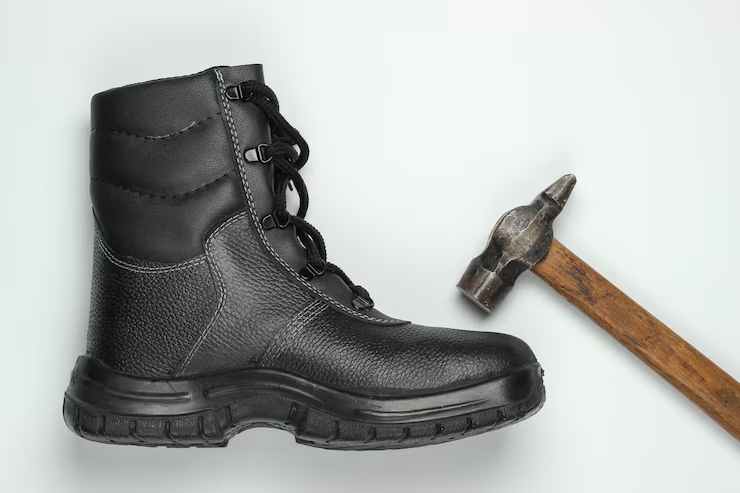
Composite-toe shoes use non-metallic protective materials. Depending on their construction, they may be lighter or more suitable for workplaces with metal-detection requirements.
Neither option is automatically best for every worker. Choose based on the expected hazards, certified performance, fit, and working conditions.
2. Slip-Resistant Safety Shoes
Slip-resistant footwear is valuable in warehouses, manufacturing units, commercial kitchens, and facilities where floors may become wet or contaminated.
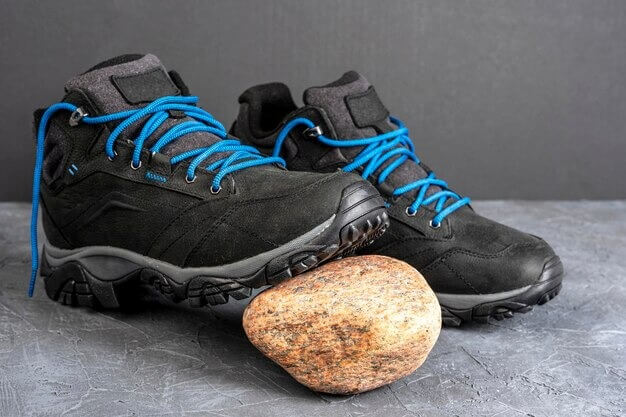
Look for outsole designs tested for the relevant surfaces and conditions. Remember that slip resistance varies with floor materials, liquids, contaminants, and shoe maintenance.
3. Puncture-Resistant Safety Shoes
Construction sites, recycling facilities, and industrial work areas may contain nails, sharp metal pieces, or other penetrating hazards.
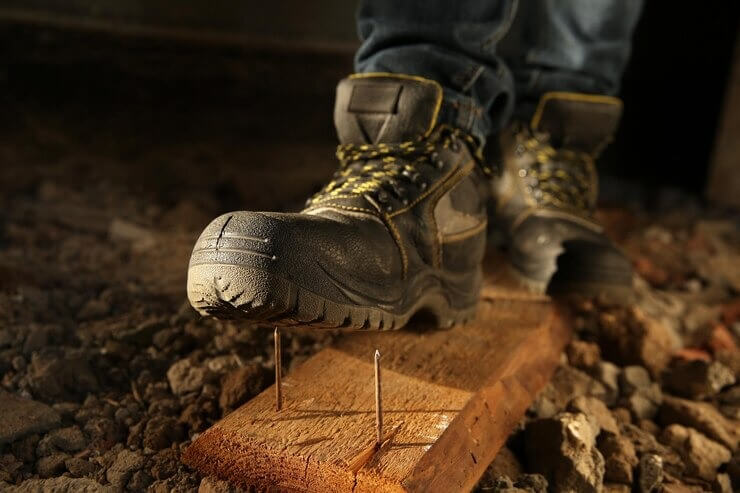
Footwear with a suitable puncture-resistant midsole can help reduce these risks. Check whether the protection covers the areas of the sole exposed to hazards in your workplace.
4. Chemical-Resistant and Electrical Hazard Footwear
Workers exposed to chemicals should select boots made from materials compatible with the specific substances they handle. No single material protects against every chemical.
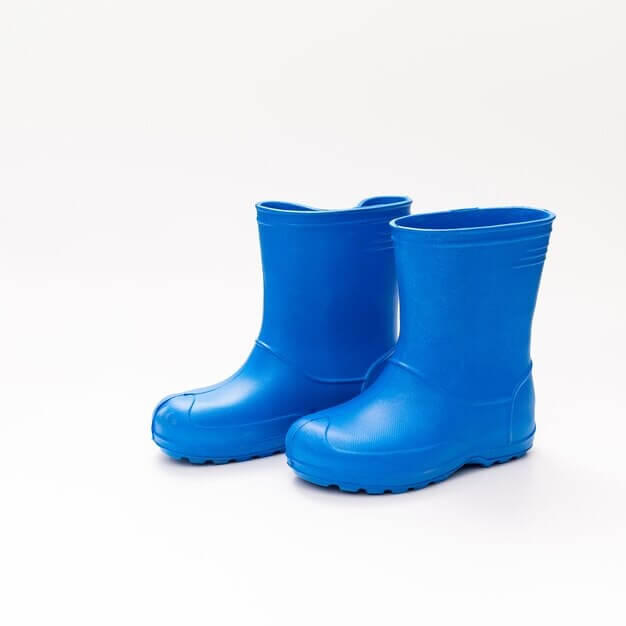
Similarly, electrical workers need footwear selected according to their actual electrical exposure and applicable standards. Ordinary safety shoes, including those with protective toe caps, should not be assumed to provide electrical protection.
How to Choose Safety Shoes: 7 Important Factors
If you are researching how to choose the right safety shoes, use the following checklist before making a purchase.
1. Identify Workplace Hazards
Start with a workplace risk assessment. Determine whether employees face falling objects, sharp materials, slippery floors, chemical splashes, extreme temperatures, or electrical hazards.
Consider the tasks performed throughout the workday, not just the primary job title. A maintenance worker, for example, may move between a warehouse, workshop, and outdoor site, each with different requirements.
2. Check Safety Standards and Certifications
Choose footwear that complies with the safety standards required in your country or industry. Standards such as ASTM F2413 in the United States and EN ISO 20345 in relevant markets establish performance requirements for protective footwear.
Check the exact model’s documentation, markings, and certified protective features. A general claim such as “industrial safety shoe” is not enough to confirm suitability.
3. Choose the Right Material
Safety footwear may use leather, synthetic uppers, rubber, or specialized protective materials.
- Leather: Often durable and suitable for demanding work environments.
- Synthetic materials: May offer lightweight construction and easier cleaning, depending on the design.
- Rubber and specialized polymers: Commonly used in outsoles and protective boots for particular working conditions.
The correct material depends on durability, breathability, exposure risks, and maintenance needs.
4. Prioritize Fit and Comfort
Safety shoes should fit securely without squeezing the toes or allowing excessive heel movement. Workers should have enough room to move their toes naturally.
Whenever possible, try footwear with the socks used at work. Check the fit while standing and walking, and consider foot width, arch comfort, and any required insoles.
Comfort matters because poorly fitted shoes may discourage consistent use.
5. Evaluate Sole Grip and Durability
Inspect the outsole for suitable traction, abrasion resistance, and compatibility with the working surface.
For workers exposed to oil, water, heat, or chemicals, confirm that the sole is designed and tested for those specific conditions. Check the manufacturer’s limitations and replacement guidance.
6. Consider Weight and Breathability
Employees who walk or stand for long periods may benefit from lighter footwear with appropriate cushioning and ventilation.
However, lightweight construction should never replace a required protective feature. Select the lightest suitable option that meets the job’s safety requirements.
7. Compare Cost, Quality, and Maintenance
Avoid selecting footwear based on price alone. Compare certified protection, expected service life, comfort, maintenance requirements, and replacement availability.
The cheapest pair may cost more over time if it wears out quickly or does not suit the working environment. Establish a regular inspection and replacement process to maintain protection.
Safety Shoe Selection Checklist for Employers
Employers can use the following table to simplify purchasing decisions and ensure footwear matches workplace requirements.
| Workplace | Key risks to assess | Features to consider |
| Construction sites | Falling materials, sharp debris, uneven ground | Protective toe caps, puncture resistance, suitable ankle coverage |
| Warehouses | Dropped packages, slippery floors, long walking hours | Toe protection, slip-resistant soles, comfortable fit |
| Manufacturing plants | Machinery, impact, oils, and sharp components | Impact protection, suitable outsole, hazard-specific resistance |
| Chemical facilities | Chemical splashes and corrosive substances | Compatible chemical-resistant materials and appropriate boot design |
| Road maintenance | Moving traffic, low visibility, rough surfaces | Suitable traction, protective construction, high-visibility workwear where required |
| Electrical work | Electrical contact and related workplace risks | Footwear rated for the specific electrical hazard |
The features listed are starting points, not universal requirements. A formal risk assessment should determine the final specification.
A Simple Safety Shoe Purchasing Process
Step 1: Assess the risks
Identify the hazards and protective features required for each role.
Step 2: Verify compliance
Check product documentation, safety markings, and relevant certifications.
Step 3: Test fit and comfort
Confirm that workers can walk and perform their duties comfortably.
Step 4: Inspect and replace
Create a routine for checking wear, damage, and replacement needs.
Other Essential Safety Equipment for Workplace Protection
Safety shoes are only one part of a complete workplace protection plan. Depending on the risk assessment, employees may also need hand protection, eye protection, head protection, hearing protection, respirators, workwear, chemical protection PPE, fall protection, road safety products, high-visibility safety jackets, and fire blankets.
Selecting compatible protective equipment helps businesses address multiple hazards without relying on a single product to provide complete protection.
If your business is preparing employee safety kits or organizing workplace events, explore our corporate gift services for suitable business gifting solutions.
You can also explore our range of safety equipments to find additional workplace protection products for different industrial and commercial requirements.
Expert Tips for Maintaining Safety Shoes
Selecting appropriate footwear is only the beginning. Proper maintenance helps preserve its protective performance.
- Inspect shoes regularly for cracked soles, damaged toe caps, worn tread, and loose stitching.
- Clean footwear according to the manufacturer’s instructions.
- Allow shoes to dry properly after exposure to moisture.
- Replace footwear when damaged or when its protective performance can no longer be assured.
- Train workers to recognize signs of wear and report problems promptly.
- Store footwear away from conditions that could damage its materials.
Never repair or modify protective components in ways that compromise their certified performance.
Frequently Asked Questions (FAQs)
1. How do I choose the right safety shoes for my job?
Start by identifying workplace hazards, then select footwear with the appropriate protective features and certifications. Check sole grip, material compatibility, comfort, fit, and the safety requirements applicable to your industry.
2. What are the most common types of safety shoes?
Common types include steel-toe shoes, composite-toe shoes, slip-resistant footwear, puncture-resistant shoes, chemical-resistant boots, and electrical hazard-rated footwear. Some products combine several protective features.
3. Why are safety shoes important in the workplace?
Safety shoes help reduce the risk of foot injuries from falling objects, sharp materials, slippery surfaces, and other job-specific hazards. They also support workplace safety procedures and applicable occupational safety requirements.
4. Are steel-toe safety shoes better than composite-toe shoes?
Neither is universally better. Steel-toe shoes may suit heavy-duty applications, while composite-toe designs may be preferable where non-metallic construction is useful. Both should meet the protective requirements of the job.
5. How often should safety shoes be replaced?
There is no single replacement interval for every pair. Replace footwear when it becomes damaged, excessively worn, or unable to provide the required protection. Follow the manufacturer’s guidance and workplace inspection policy.
6. Can one pair of safety shoes be used for every workplace?
Not always. Different environments require different protective features. Footwear suitable for a warehouse may not provide the chemical, electrical, or heat resistance needed in another setting.
7. What should employers check before buying safety shoes in bulk?
Employers should confirm hazard requirements, applicable certifications, size availability, comfort, durability, product consistency, and supplier reliability. Trial pairs can help evaluate suitability before placing a large order.
Conclusion
Knowing how to choose safety shoes is an important step toward protecting employees and improving workplace safety. The best footwear combines hazard-specific protection, certified performance, suitable materials, a secure fit, and reliable durability.
By understanding the different types of safety shoes and evaluating the actual conditions in which employees work, businesses can make more informed purchasing decisions. Regular inspections, employee training, and timely replacement also help maintain protection over time.
Ultimately, choosing the right safety shoes is not simply about buying protective footwear. It is about selecting equipment that supports workers’ safety, comfort, and daily performance.