admin
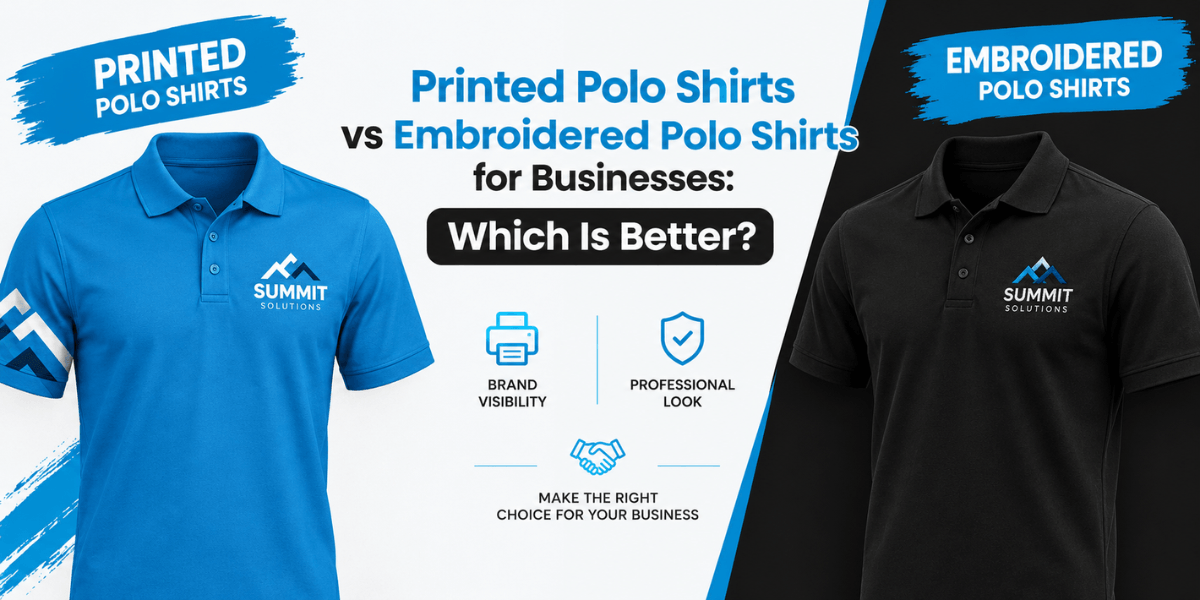
Polo shirts are a popular choice for business uniforms because they combine comfort, style, and professionalism. From retail staff and hospitality teams to corporate employees and event representatives, branded polo shirts help businesses create a consistent and recognizable identity.
However, choosing the right branding technique can be challenging. Should you select printed logos for a modern, colorful look or embroidered logos for a more premium finish?
When comparing printed vs embroidered polo shirts, businesses should consider durability, appearance, cost, design complexity, and intended use. Both methods have advantages, but the right option depends on your company’s branding goals and daily uniform requirements.
In this guide, we explore the difference between printed and embroidered polo shirts to help you make an informed decision.
What Are Printed Polo Shirts?
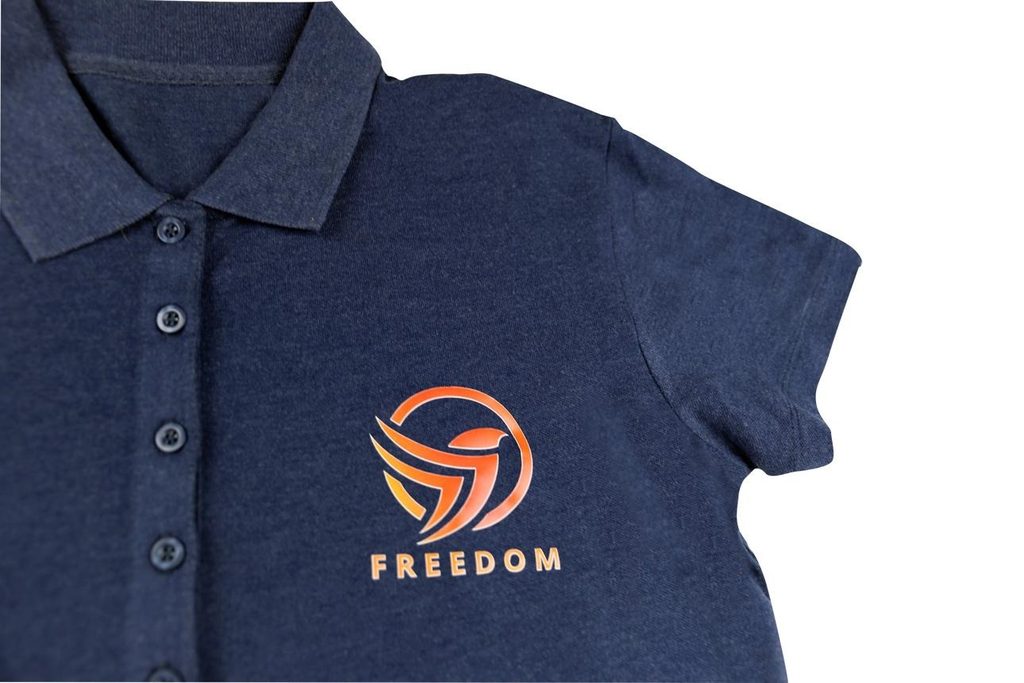
Printed polo shirts feature logos, text, or graphics applied to the fabric using printing techniques. Common options include screen printing, heat transfer, and direct-to-film (DTF) printing.
These methods allow businesses to reproduce colorful designs, detailed graphics, and promotional messages on their uniforms.
Benefits of Printed Polo Shirts
- Cost-effective branding: Printing can be economical for large orders, depending on the technique and design.
- Detailed designs: It supports gradients, multiple colors, and intricate artwork.
- Lightweight finish: Many printing methods create a relatively smooth finish without raised stitching.
- Flexible placement: Logos can be applied to the chest, back, sleeves, or other suitable areas.
- Suitable for promotions: Printed polos work well for exhibitions, marketing campaigns, and temporary events.
When Should Businesses Choose Printing?
Printing is a practical option for businesses that need colorful branding, detailed promotional graphics, or budget-friendly uniforms. It is especially useful for event teams, product launches, retail promotions, and large-scale campaigns where visual impact matters.
What Are Embroidered Polo Shirts?
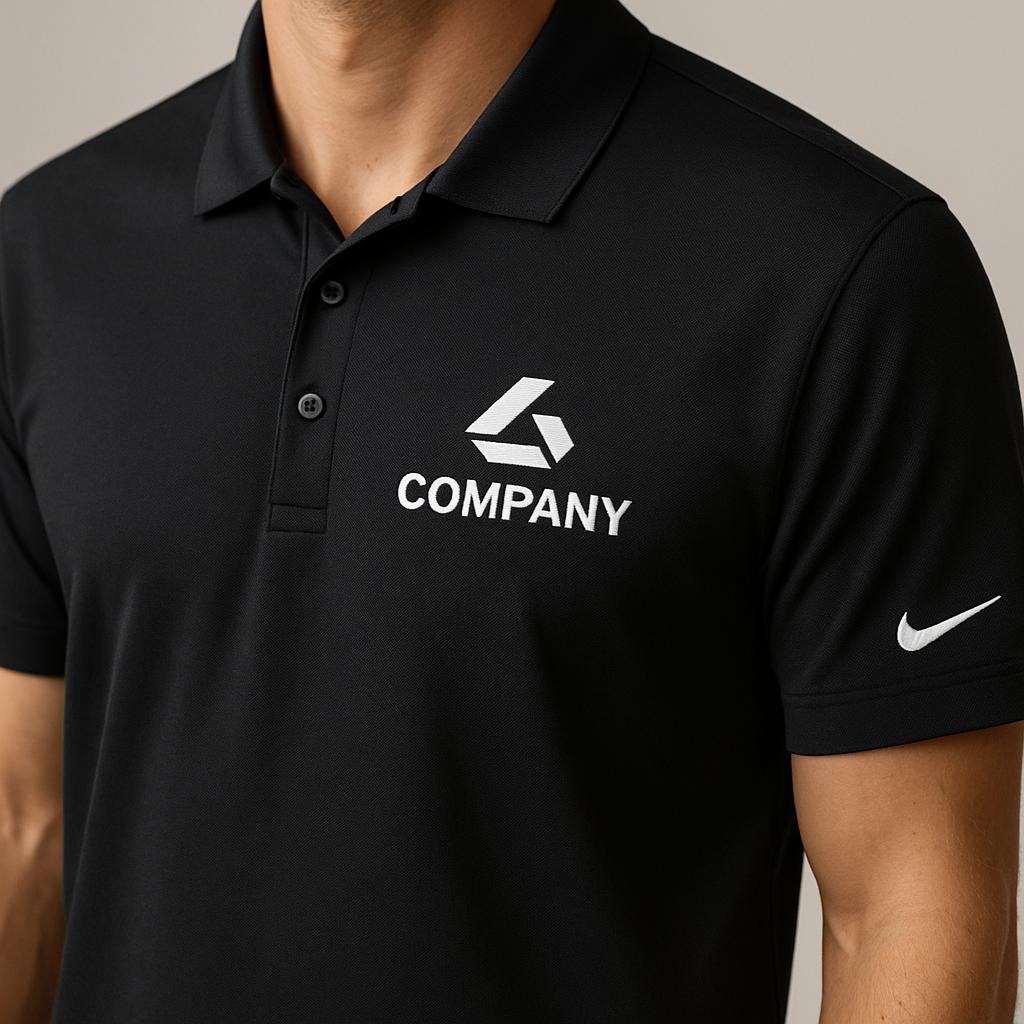
Embroidered polo shirts feature logos created by stitching thread directly into the fabric. This technique gives the design a textured, raised appearance that often looks sophisticated and professional.
Embroidery is commonly used for office uniforms, management teams, hospitality staff, and businesses that want a polished brand image.
Benefits of Embroidered Polo Shirts
- Professional appearance: Stitched logos create a premium, established look.
- Excellent durability: Quality embroidery generally withstands repeated washing and regular use.
- Textured finish: The stitching adds depth and visual interest to a logo.
- Long-term value: Embroidered uniforms can be a good investment for employees who wear them frequently.
- Brand consistency: Matching thread colors and placement help create a uniform appearance across teams.
When Should Businesses Choose Embroidery?
Embroidery is particularly suitable for businesses that prioritize professional presentation and long-term uniform use. Corporate offices, hotels, restaurants, logistics companies, and service teams can benefit from its durable, polished finish.
However, embroidery may not be suitable for extremely detailed artwork, tiny text, or designs with complex color gradients.
Difference Between Printed and Embroidered Polo Shirts
The main difference between printed and embroidered polo shirts is how the logo is applied to the fabric. Printing uses ink or a transfer material, while embroidery uses stitched thread.
The following table compares their key features.
| Feature | Printed Polo Shirts | Embroidered Polo Shirts |
| Appearance | Smooth and graphic-focused | Textured and premium |
| Design options | Excellent for detailed, colorful artwork | Best for simpler logos and lettering |
| Durability | Depends on printing method and care | Generally excellent with quality stitching |
| Comfort | Usually lightweight, depending on print | Can feel thicker around the logo |
| Initial cost | Often economical for suitable bulk orders | May cost more due to digitizing and stitching |
| Best applications | Events, promotions, colorful branding | Corporate uniforms, hospitality, daily workwear |
| Logo placement | Flexible, depending on the technique | Best on stable areas that support stitching |
| Maintenance | Follow the print’s washing instructions | Follow garment and embroidery care instructions |
Actual costs and performance vary according to fabric, order quantity, logo size, production method, and supplier.
Is Printing or Embroidery Better for Polo Shirts?
The answer depends on how your business plans to use its uniforms.
Choose printing if:
- Your logo contains multiple colors or intricate details.
- You need large quantities for an event or promotional campaign.
- You want bold graphics across the front or back.
- Your priority is keeping production costs manageable.
Choose embroidery if:
- You want a premium and professional appearance.
- Employees wear their uniforms regularly.
- Your logo is relatively simple and easy to stitch.
- You want branding that can withstand frequent use and washing.
For example, a company distributing promotional shirts at an exhibition may prefer printing for its colorful designs. A hotel outfitting reception staff may choose embroidery to maintain an elegant, consistent appearance.
Which Lasts Longer: Printed or Embroidered Logos?
When considering which lasts longer, printed or embroidered logos, embroidery generally has an advantage because the design is formed with thread rather than a surface-applied print.
However, durability depends on the quality of the materials and production process.
Printed Logo Durability
High-quality screen printing can last through many washes when applied and maintained correctly. Some heat-transfer prints may crack, peel, or fade over time, particularly when exposed to excessive heat or improper washing.
Embroidered Logo Durability
Embroidery is generally resistant to fading because the logo’s color comes from the thread itself. Nevertheless, poor stitching, loose threads, or unsuitable fabric can affect its lifespan.
To extend the life of either option, wash polo shirts according to the care label, avoid excessive heat, and follow the supplier’s recommendations.
Cost Comparison: Printed vs Embroidered Polo Shirts
The cost of branded polo shirts depends on several factors, including order size, garment quality, design complexity, and customization method.
| Cost Factor | Printing | Embroidery |
| Setup | Screens or artwork preparation may be required | Logo digitizing may be required |
| Complex designs | Often more practical for colorful graphics | May require more stitching and production time |
| Bulk orders | Can reduce per-shirt costs | Can become more economical at scale |
| Long-term use | Depends on print durability | Often offers strong long-term value |
There is no universal price difference. Request quotations for the same polo shirt, logo size, quantity, and delivery requirements before comparing suppliers.
How to Choose the Right Polo Shirts for Your Business
Before placing an order, consider these practical factors:
1. Understand Your Brand Identity
Choose printing for bold, creative branding or embroidery for a more traditional, premium appearance.
2. Consider Daily Usage
Employees working outdoors, in hospitality, or in physically demanding roles may need uniforms that withstand frequent washing and movement.
3. Check the Fabric
Embroidery works best on fabrics that can support stitching without excessive puckering. Printing compatibility depends on the material and chosen technique.
4. Compare Total Value
Look beyond the initial price. Consider expected lifespan, replacement frequency, comfort, and the impression your uniforms create.
5. Request a Sample
Review a sample shirt before approving a bulk order. Check logo clarity, stitching quality, color accuracy, and fabric comfort.
Businesses in Saudi Arabia looking for professional team uniforms can explore Customised Polo shirts in saudi arabia to find suitable options for employee branding, corporate events, and business promotions.
For coordinated branded merchandise, working with a reliable corporate gifts supplier in saudi arabia can also help businesses maintain consistency across uniforms and promotional products.
Expert Recommendation: Which Option Should You Choose?
For most businesses, the best choice depends on the balance between appearance, durability, and budget.
Embroidery is a strong option for everyday corporate uniforms where a professional appearance and long-term use are priorities. Printing is ideal for detailed artwork, colorful logos, promotional campaigns, and designs that require greater visual flexibility.
Some businesses can benefit from both methods. For example, embroidered chest logos paired with printed event graphics can provide a professional appearance while supporting campaign-specific branding.
The most effective decision is the one that meets your operational needs without compromising your brand identity.
Frequently Asked Questions (FAQs)
1. Are printed or embroidered polo shirts better for corporate uniforms?
Embroidered polo shirts are often preferred for corporate uniforms because they offer a professional appearance and durable branding. Printed polos are suitable when the logo contains detailed graphics or multiple colors.
2. Is printing or embroidery better for polo shirts?
Printing is generally better for complex artwork, vibrant colors, and promotional designs. Embroidery is usually better for simple logos, premium presentation, and uniforms worn frequently.
3. Which lasts longer, printed or embroidered logos?
Embroidered logos generally last longer under regular washing because their designs are stitched into the fabric. High-quality prints can also be durable when applied correctly and cared for according to instructions.
4. Are embroidered polo shirts more expensive than printed ones?
They can be, particularly for small orders or complex logos. However, pricing depends on the embroidery size, stitching requirements, printing technique, garment quality, and order quantity.
5. Can all polo shirt fabrics be embroidered?
No. Some lightweight or delicate fabrics may pucker, stretch, or become damaged during embroidery. Check fabric suitability with your supplier before ordering.
Conclusion
Choosing between printed and embroidered polo shirts comes down to your branding objectives, budget, design requirements, and expected uniform lifespan.
Printing offers flexibility for colorful designs and promotional use, while embroidery provides a professional finish and reliable durability for everyday uniforms. By comparing quality, comfort, maintenance, and total cost, businesses can select a branding method that supports their employees and strengthens their identity.
Ultimately, investing in the right customized polo shirts helps your team look professional and keeps your brand visible wherever business takes place.