admin
admin
A corporate uniform is more than matching clothing. It represents your brand, creates a professional appearance, and can help employees feel connected to the organisation they work for. Whether you run a retail store, hotel, restaurant, healthcare facility, office, or service business, the right uniform can influence how customers perceive your team.
However, choosing uniforms is not simply about selecting colours and adding a logo. Comfort, fabric quality, job requirements, branding, budget, and employee preferences all need to be considered.
This guide explains how to choose the right corporate uniform for your business and what to look for when creating a practical, professional, and brand-focused uniform programme.
Why Are Corporate Uniforms Important?
Employees are often the most visible representation of a business. When staff members wear consistent, well-designed uniforms, customers can identify them more easily and associate their appearance with the company.
A good uniform can help your business:
- Create a consistent brand image
- Make employees easy to identify
- Present a more professional appearance
- Build customer confidence
- Strengthen team identity
- Support workplace practicality
- Improve brand visibility
For customer-facing businesses, uniforms can become an important part of the overall customer experience.
How to Choose the Right Corporate Uniform
Knowing how to choose the right corporate uniform starts with understanding your business rather than simply following fashion trends.
Your uniform should reflect your brand while allowing employees to perform their daily responsibilities comfortably.
Here are the key factors to consider.
1. Understand Your Business and Employees
Different industries have different uniform requirements.
A hotel receptionist may need a polished shirt, trousers, blazer, or formal dress. A warehouse employee may need durable workwear, while restaurant staff may require breathable clothing that is easy to clean.
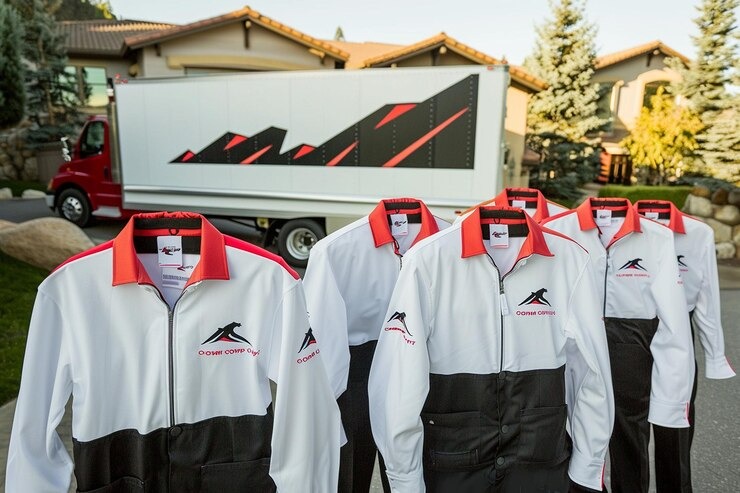
Before selecting a design, consider:
- What type of work do employees perform?
- Do they work indoors, outdoors, or both?
- How much physical movement is involved?
- Do they interact directly with customers?
- Are there safety or hygiene requirements?
- How frequently will uniforms be washed?
The answers will help you select styles and materials that are suitable for real working conditions.
2. Choose Comfortable and Practical Fabrics
Employees may wear their uniforms for eight hours or more each day, so comfort should never be overlooked.
Fabric selection should consider the workplace environment, local climate, durability, and maintenance requirements.
For warm environments, lightweight and breathable fabrics can help employees remain comfortable. For more demanding jobs, durable materials may be more appropriate.
Also consider whether the fabric:
- Resists wrinkles
- Holds its colour after repeated washing
- Dries quickly
- Is easy to iron
- Allows comfortable movement
- Maintains its shape over time
A visually attractive uniform that employees dislike wearing will not deliver the results you expect.
3. Match the Uniform With Your Brand Identity
Your corporate uniform should look like an extension of your brand.
Think about your existing brand colours, typography, design style, and overall personality. A technology company may prefer a modern and minimal appearance, while a luxury hotel might choose a more sophisticated and formal design.
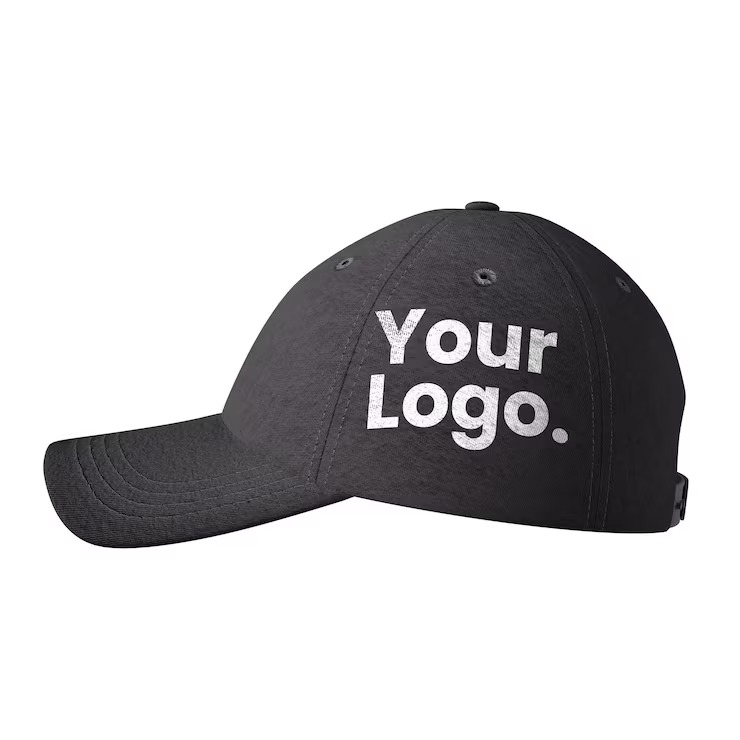
Colour is especially important. Your primary brand colour does not necessarily need to cover the entire uniform. It can be incorporated through collars, trims, accessories, embroidery, or subtle design details.
The objective is to create a professional appearance without making the uniform look overly promotional.
4. Consider Corporate Uniforms With Logo
Adding your brand identity can increase visibility and create a consistent appearance across your workforce.
Corporate uniforms with logo can feature embroidered or printed branding on areas such as the chest, sleeve, jacket, or other suitable locations.
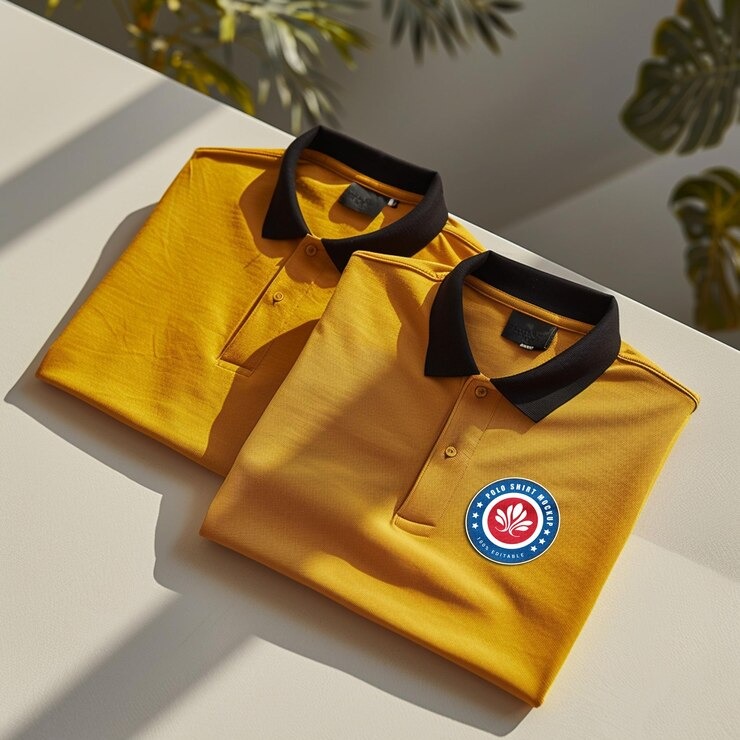
Embroidery is often suitable for professional shirts, jackets, and workwear because it can provide a durable and polished finish. Printing may be appropriate for certain lightweight garments and designs.
Before finalising the logo placement, consider its:
- Size
- Position
- Colour
- Visibility
- Durability
- Compatibility with the fabric
A logo should be noticeable enough to support brand recognition without overwhelming the overall design.
5. Prioritise Employee Comfort and Fit
Even the highest-quality fabric cannot compensate for poor sizing.
Employees come in different shapes and sizes, so providing a suitable range of sizes is essential. Depending on the workplace, you may also need different cuts or styles to provide comfortable options for everyone.
Consider offering:
- Multiple size options
- Different shirt or trouser cuts
- Adjustable features where appropriate
- Comfortable footwear where uniforms include shoes
- Seasonal alternatives
It is also useful to gather employee feedback before placing a large order. Your team can identify practical issues that may not be obvious during the design stage.
6. Think About Durability and Maintenance
Corporate uniforms are an investment. Choosing inexpensive garments that quickly fade, shrink, tear, or lose their shape can increase replacement costs.
Look for materials and construction suitable for frequent use and washing.
Ask your supplier about:
- Fabric durability
- Colourfastness
- Stitching quality
- Washing instructions
- Expected lifespan
- Replacement availability
Easy-care uniforms can also save employees time and make the programme easier to manage.
7. Create a Consistent Look Across Departments
Larger companies may have several teams with different responsibilities. That does not mean every department needs an entirely different uniform.
A consistent design system can help maintain brand identity while allowing practical differences.
For example, different departments could use variations in:
- Shirt colour
- Accent colour
- Accessories
- Badges
- Garment style
This allows customers to distinguish between roles while maintaining a unified company appearance.
What Are the Best Corporate Uniforms for Businesses?
The best corporate uniforms for businesses are those that balance branding, comfort, functionality, durability, and cost.
There is no universal uniform that works for every organisation. A business should select garments according to its industry and employees’ daily activities.
Common options include:
Polo Shirts
Polo shirts are versatile and suitable for retail, logistics, hospitality, events, and many service businesses. They provide a balance between casual comfort and professional presentation.
Formal Shirts
Formal shirts work well in offices, hotels, banks, sales environments, and customer-facing roles where a polished appearance is important.
Blazers and Jackets
For executive teams, hospitality businesses, and premium service environments, blazers and structured jackets can create a sophisticated appearance.
Trousers and Skirts
Bottoms should complement the top while allowing employees to move comfortably. Neutral shades are often practical because they coordinate easily with different branded garments.
Workwear
Employees involved in maintenance, manufacturing, logistics, construction, or other physical roles may require durable workwear designed specifically for their working environment.
Customized Corporate Uniforms for Employees
Businesses with specific branding or operational requirements may benefit from customized corporate uniforms for employees.
Customisation can involve much more than adding a company logo. Businesses can choose garment styles, colours, fabrics, stitching, branding positions, and other design details.
A customised approach can help create a uniform that feels unique to your organisation rather than looking like a generic off-the-shelf outfit.
However, customisation should always serve a practical purpose. Avoid adding unnecessary design elements that make garments uncomfortable or difficult to maintain.
Set a Realistic Uniform Budget
Price should be considered alongside quality rather than treated as the only deciding factor.
When calculating your budget, consider the total cost of ownership. A durable uniform that costs slightly more initially may provide better value if it lasts significantly longer.
Your budget should account for:
- Initial uniform sets
- Additional employee sizes
- Seasonal garments
- Replacement items
- Embroidery or printing
- Alterations
- Delivery
- Future reorders
It is also wise to keep a record of your final specifications so future uniforms can match the original design.
Choose a Reliable Uniform Supplier
The supplier you select can have a major impact on the final result.
Before committing, ask about samples, fabric specifications, sizing, production timelines, branding methods, minimum order quantities, and replacement orders.
A reliable supplier should be able to communicate clearly and help you select garments based on your industry’s requirements.
If your business is also planning employee or client gifting initiatives, you can explore Best Corporate Gift Ideas for Clients and Top Employee Appreciation Gifts to complement your broader employee and brand engagement strategy.
Final Thoughts
Choosing the right corporate uniform requires a balance between appearance and practicality. The uniform should represent your brand, support employees in their daily work, and remain comfortable and durable over time.
Start by understanding your workplace requirements, then consider fabric, fit, colours, branding, maintenance, durability, and budget. Most importantly, involve employees in the process where possible. Their feedback can help you identify problems before a large order is produced.
When these elements come together, a corporate uniform becomes more than workwear. It becomes a consistent part of your company’s identity and a practical tool for building a professional brand experience.